
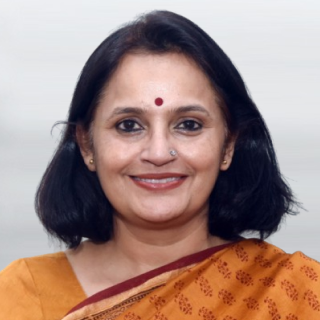
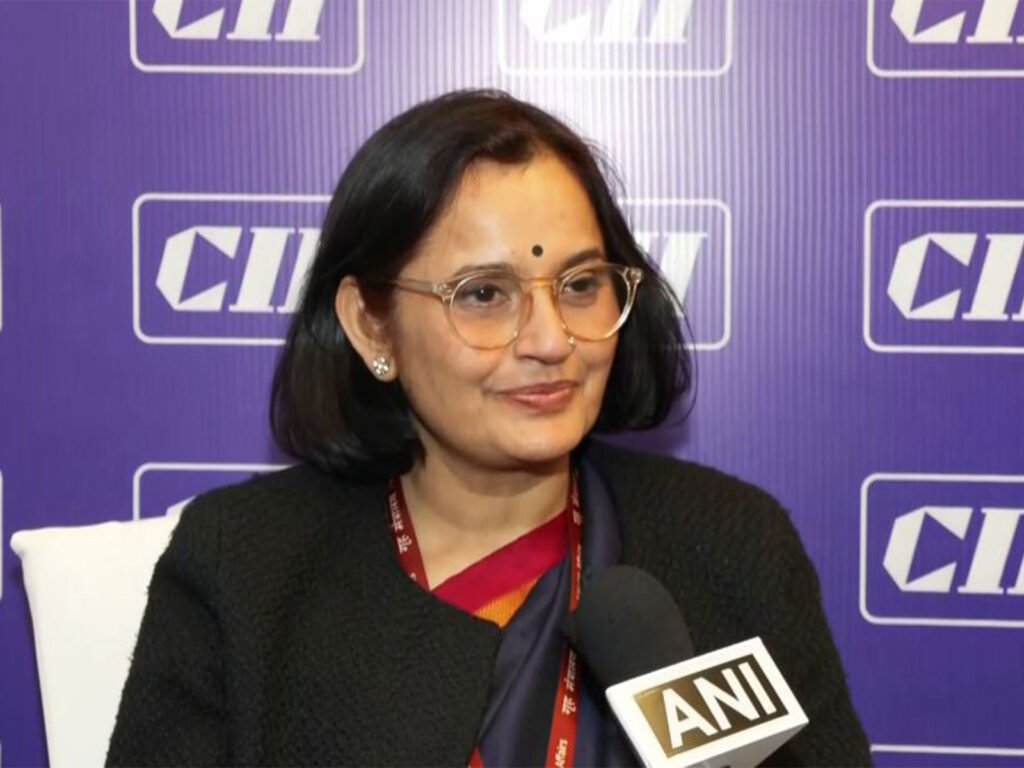
India’s transformation from an economy once marked by widespread poverty to a growing force in the global economic order reflects more than rapid GDP growth, Economic Affairs Secretary Anuradha Thakur said at the SBI Banking & Economics Conclave in Mumbai.
She highlighted India’s long-standing contribution to economic and intellectual thought, noting that the Arthashastra, written around 350–275 BC, contains evidence of forward trading in commodities, while similar concepts appeared in Aristotle’s writings during the same period.
She also recalled an early 19th-century observation by East India Company official Thomas Munro, who described India as a country with significant natural wealth but affected by poverty and mismanagement. Two centuries later, she said, India’s economic trajectory has changed substantially.
According to her, global economic leadership depends not only on economic size but also on institutional strength, technological capability and robust financial systems. She identified three key elements for India’s global leadership: economic strength and institutional capacity, a recognised international role, and strategic resilience and patience.
“Global leadership is not simply a function of economic size,” Ms. Thakur said, stressing that countries gain influence when their institutions, markets and financial systems become trusted internationally.
She pointed to financial sector reforms, deeper capital markets and GIFT International Financial Services Centre (GIFT IFSC) as important foundations for India’s ambitions as a global financial hub. She noted that established financial centres such as London and New York developed over decades of reforms.
Thakur also highlighted India’s expanding participation in G20, BRICS, OECD and FATF, along with its contribution to discussions on global financial reforms and cross-border payment systems.
The inclusion of the African Union in the G20 during India’s presidency was cited as an important step in strengthening India’s voice among developing economies and reinforcing its role in global economic governance.